What water damage repair covers
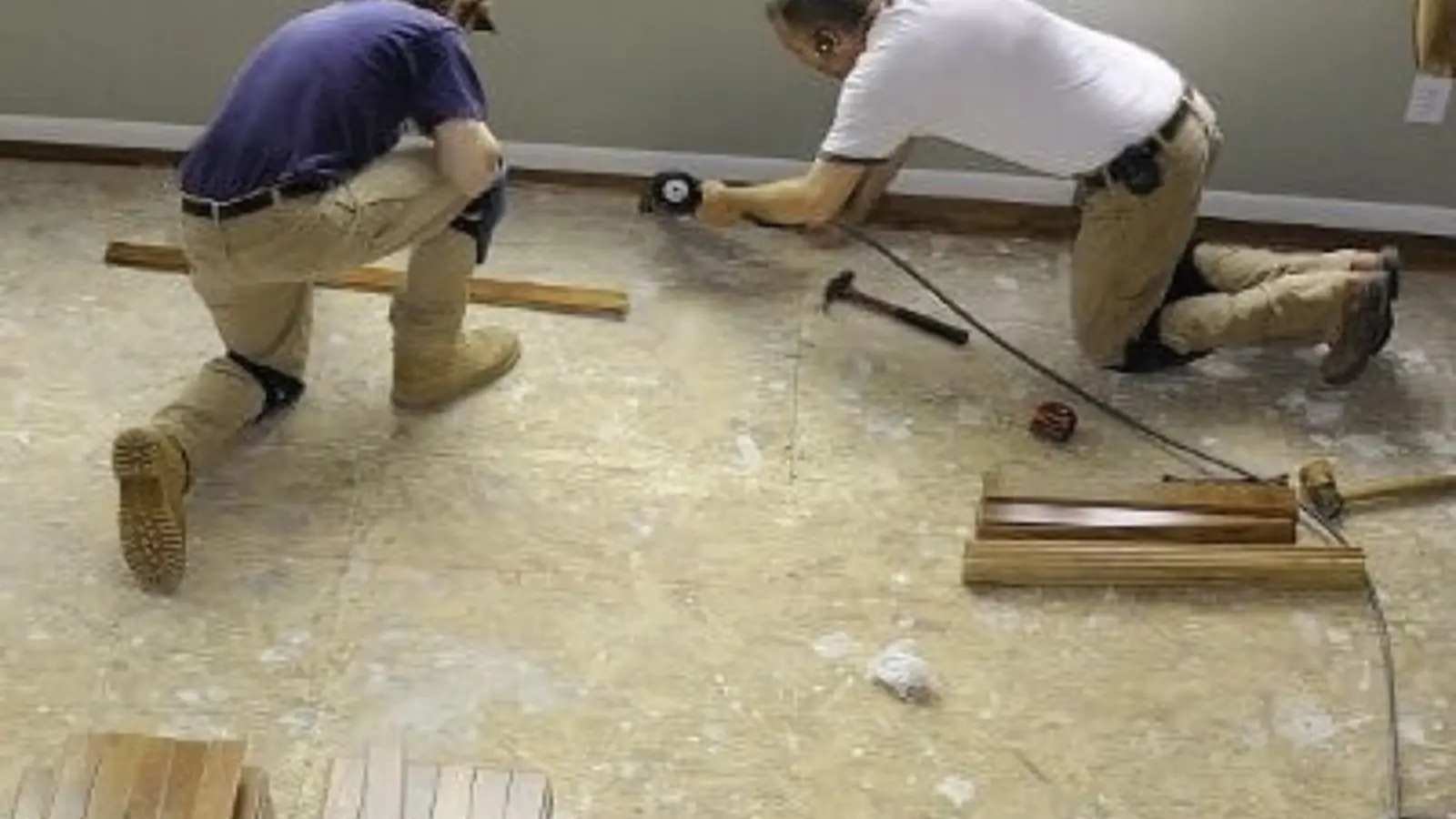
Water damage repair is the rebuild. It starts after the structure is dry and the source is fixed, and it puts back what water took out: drywall, insulation, flooring, baseboards, paint and sometimes cabinets. The goal is a finished room that looks like the damage never happened.
Repair comes last in the sequence. Water mitigation and cleanup come first, because building over damp material only hides the problem. If you are still seeing active water, start with the 24/7 line instead.
Ceiling and wall water damage repair
Ceilings and walls are the most common repair jobs. A stained ceiling from a roof or upstairs leak usually needs the wet drywall cut out, wet insulation replaced, new board hung, then taped, textured and painted with a stain-blocking primer. Walls follow the same order, and paint matching takes care.
Texture matters in older homes. If a ceiling has popcorn texture and the home is old enough, ask the contractor about testing for asbestos before sanding or scraping. Do not disturb it yourself.
| Damage | Typical repair | What drives effort |
|---|---|---|
| Light stain, no sag | Seal, prime and paint after readings are dry | Stain blocking and paint match |
| Bubbled or soft drywall | Cut out and patch the section | Taping, texture and paint blend |
| Sagging or collapsed ceiling | Replace the panel and insulation | Joist inspection, hanging, finishing |
| Wet wall cavity | Open, dry, replace insulation, close | Cavity size and framing condition |

Floors: carpet, hardwood, vinyl and laminate
Flooring repair depends on the material and how long it was wet. Carpet is usually replaced with new pad. Hardwood can sometimes be dried and refinished if caught early, but cupping or buckling often means board replacement. Laminate swells at the edges and rarely recovers, and vinyl plank may need subfloor work.
Check subfloor readings before anything new goes down. Flooring installed over moisture in the subfloor fails early, and a moisture meter reading is cheaper than a second installation.
Ready to plan the rebuild?
Call the dispatch line to talk through scope.
Insulation, cabinets and trim
Wet insulation loses most of its value, so it is typically replaced. Cabinets with water-swollen particleboard bases are often replaced, while solid wood can sometimes be dried. Baseboards and casings are usually removed during drying and reinstalled or replaced after.
- Insulation: replaced when saturated.
- Cabinets: replaced when particleboard swells, dried when solid wood.
- Trim: removed for drying, then reinstalled or replaced.
- Paint: stain-blocking primer first, then matching finish coat.
How repair is sequenced
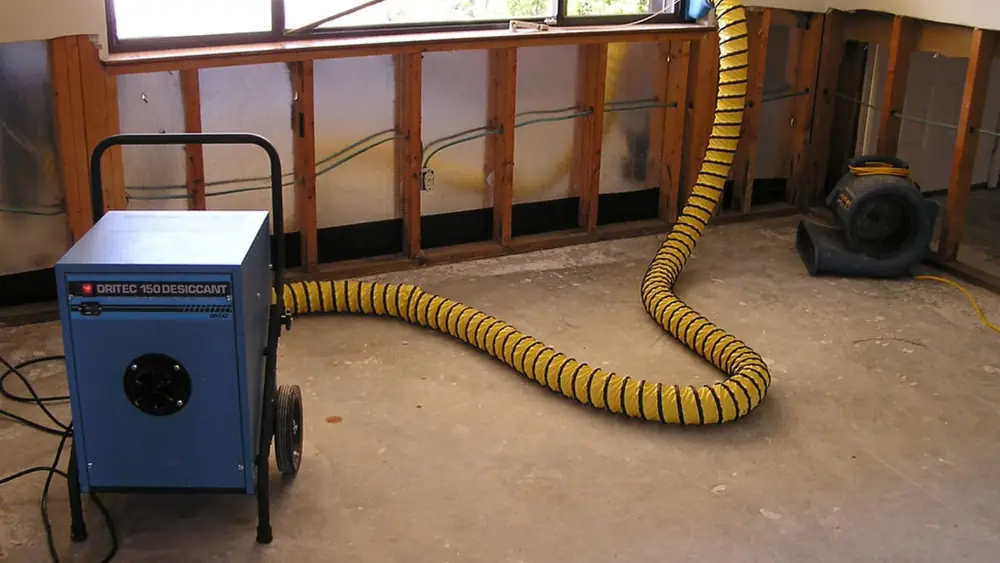
A repair job runs in a predictable order. Crews confirm dry readings, then rebuild from the inside out, so the finishing work lands on solid, dry material.
- Confirm moisture readings are at normal levels for each material.
- Replace insulation and hang new drywall.
- Tape, mud and texture, allowing time to dry between coats.
- Prime with a stain-blocking primer, then paint.
- Install flooring, baseboards and trim last.
Drying between coats is where repair schedules stretch. Rushing it causes cracks, flashing and visible patches. Ask for the sequence in writing so you know what happens each day.
Permits, inspections and who handles what
Some repair work needs a permit and some does not. The City of Mukilteo's Permit Center, part of Planning and Community Development, handles building, engineering, fire and planning permits through an online portal, and the Planning Department can explain how the rules apply to your property. Electrical permits go through Washington L&I rather than the city.
Washington requires construction contractors to register with L&I, so ask any contractor for its registration. Inspections run Monday through Thursday, and building inspections are requested by 3 p.m. the day before, according to the City's Permit Center page.
What affects the cost of repair
Dispatch explains scope and price before work starts. Repair cost moves with these factors.
- Square footage of drywall, flooring and paint.
- Materials chosen, from standard drywall to hardwood.
- Structural condition found after demolition.
- Texture and paint matching on ceilings and walls.
- Whether permits and inspections are required.
Insurance often covers repair when the damage was sudden and accidental, and often does not when it came from gradual leaks or neglect. Check your policy. Your insurer may need an itemized scope, which the crew can document. Want your real number? Call (425) 592-3399.
Repair work around Mukilteo and nearby towns
Repairs range from condos in Harbour Pointe to older homes in Old Town. Older homes sometimes have plaster or older wiring behind the wall, which changes the plan, so tell dispatch what era your home is. Dispatch covers Mukilteo (ZIP 98275) and the neighboring cities of Everett (98201, 98203, 98204 and 98208), Lynnwood (98036, 98037 and 98087) and Edmonds (98020 and 98026).
Crews also work in Everett, Lynnwood and Edmonds. If mold shows up during demolition, see mold remediation before closing up walls.
Safety steps during a repair project
- Confirm the area is dry and the leak is fixed before any new drywall or flooring goes in.
- Keep children and pets out of the work area while dust and tools are in use.
- Do not paint over a stain or a soft spot until a crew has checked what is behind it.
- Ask for the scope of work in writing before any demolition starts.
Frequently asked questions
Repair starts once the structure is dry and moisture readings confirm it. Starting earlier traps moisture, so the order matters.
Yes. Repair includes cutting out damaged drywall, replacing insulation, hanging new board, taping, texturing and painting.
Matching takes care. Crews blend new paint into existing walls, and a full wall repaint is sometimes the cleanest solution.
It depends on the scope. Ask the City of Mukilteo Permit Center or the Planning Department, since permit rules vary by project.
Work pauses so the mold can be handled properly. See the mold remediation page for the process.
Often when the loss was sudden and accidental. Check your policy or ask your insurer, and keep the scope and photos.
Still have a question? Call (425) 592-3399, any hour.