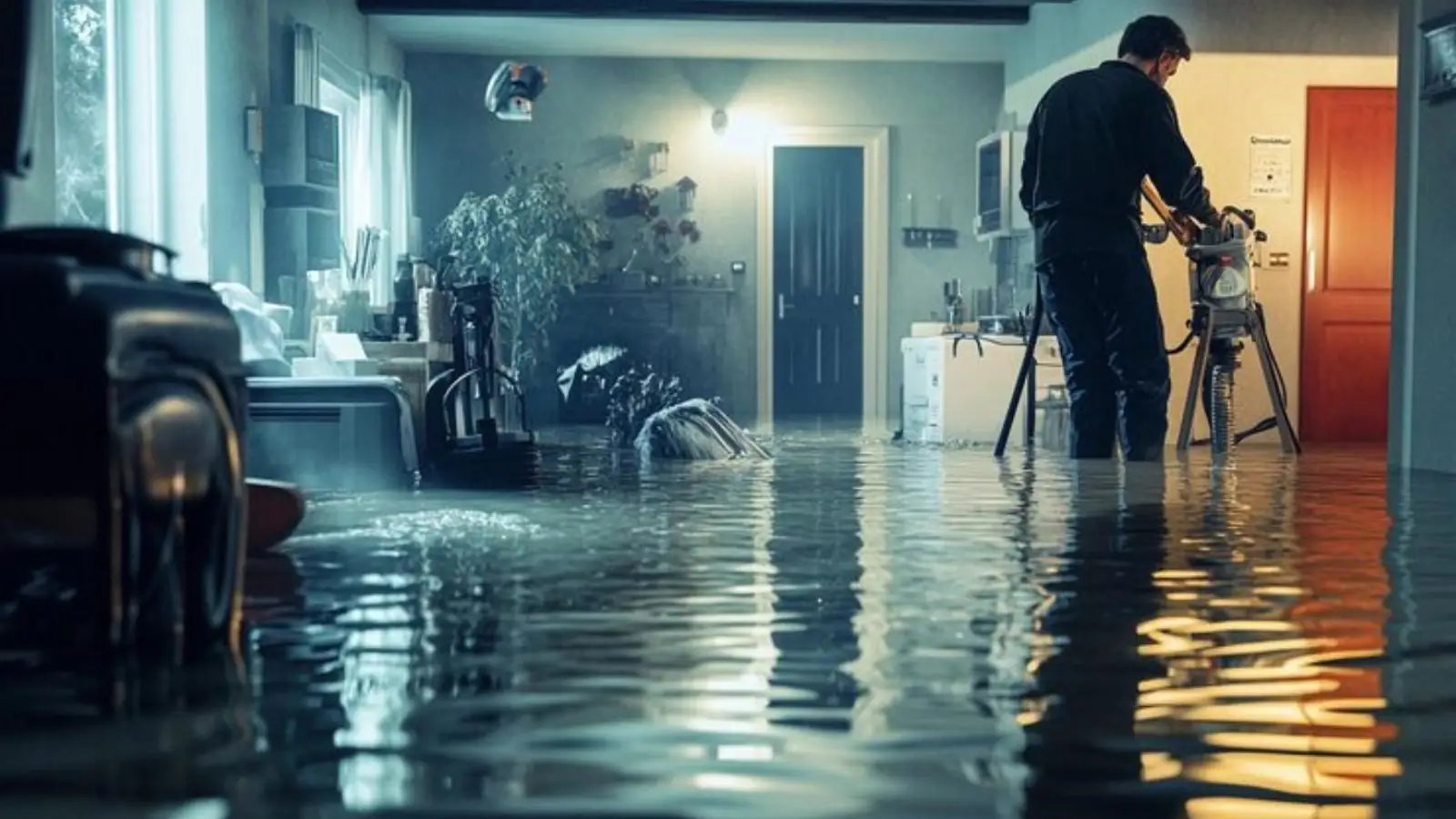
When water is an emergency in your Mukilteo home
If water is actively moving through a floor, wall or ceiling, treat it as an emergency. Water mitigation is the work that stops the damage from growing, and it is time sensitive. Dispatch is open 24/7, so a call at 2 a.m. gets answered the same as a call at noon.
While you wait for a crew, stop the source if you can. Shut the main water valve, or the shutoff under the fixture. Turn off power to the wet area only if you can reach the panel while standing on dry ground. Lift valuables off wet floors and keep people and pets out of any water that may have touched outlets.
Electrical and gas come first
If water is near outlets, a panel or appliances, stay out and call 911 or your electric utility before you call us. Snohomish County PUD serves electric in Mukilteo and Puget Sound Energy serves gas, according to the City of Mukilteo's utilities page.
Carpet is squishy, a wall feels damp, and you do not know what to call this
Most people do not search for water mitigation. They search for a soaked carpet, a damp wall, or a ceiling stain that keeps growing. The trade name for the fix is water mitigation: finding where the water went and removing it before it does more harm.
Mitigation is different from rebuilding. It comes first, and it decides how much of your home has to be replaced later. A wall that is dried in time can stay. A wall that sits wet for a week usually cannot.
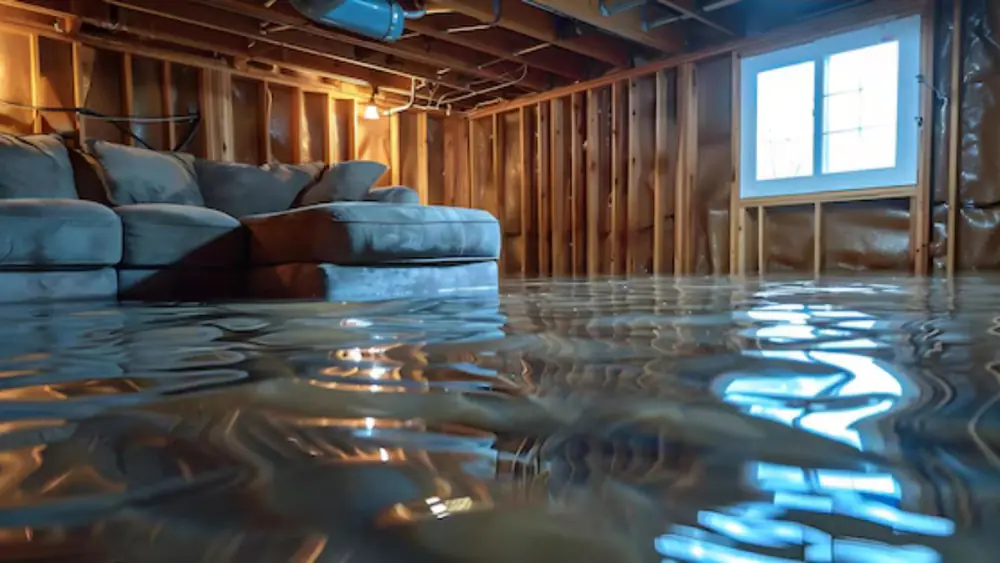
What water mitigation includes, step by step
Crews that follow the ANSI/IICRC S500 standard for water damage restoration work in a set order. You can ask any company whether its crews work to S500. A typical job follows these steps.
- Stop or isolate the water source, and identify the water category (clean, gray or black).
- Extract standing water with pumps and extraction units.
- Map the moisture with meters and a thermal camera, so wet areas behind finishes are found, not guessed.
- Remove materials that cannot be dried safely, such as saturated carpet pad or soft drywall.
- Set air movers and LGR dehumidifiers, then monitor readings until the structure is dry.
- Document the loss with photos and moisture logs for your insurance claim.
Water still moving through the structure?
Dispatch is open 24 hours a day. Call and describe what you see.
Structural drying: what each machine is doing
Structural drying is the longest part of mitigation. It uses equipment that you may hear running for several days. Drying time depends on the materials and conditions, and typically runs a few days.
| Equipment | What it does | Why it is on your job |
|---|---|---|
| Moisture meter | Reads moisture inside wood, drywall and concrete | Shows what is wet, and later proves what is dry |
| Thermal camera | Finds cool, wet areas behind surfaces | Locates hidden water without opening every wall |
| Air mover | Pushes air across wet surfaces | Speeds evaporation from floors and wall bases |
| LGR dehumidifier | Pulls moisture out of the air | Keeps evaporated water from settling elsewhere |
| Extraction unit | Pulls standing water from floors and carpet | Removes the bulk of the water before drying starts |
Drying equipment is set up and monitored by the crew, because placement and daily readings decide whether the structure actually dries. Ask dispatch what is included in your scope.
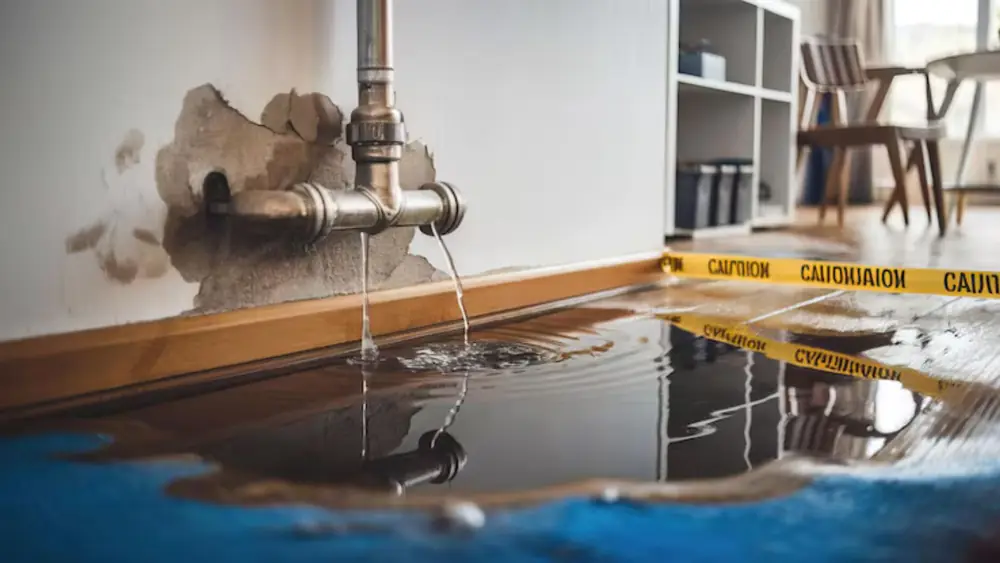
Why the first 24 to 72 hours matter in a wet climate
The EPA advises drying water-damaged areas and items within 24 to 48 hours to prevent mold growth. Mukilteo has mild, rainy winters, so outdoor air rarely helps. Opening windows in January usually adds humidity instead of removing it, which is why dehumidifiers do the work.
Waiting also changes the water category. Clean supply-line water can become contaminated as it sits, and contaminated materials are removed rather than dried. A quick call keeps more of your home in place.
Mitigation, cleanup or repair: which do you need?
Many jobs need all three, in order. Mitigation comes first and stops the damage. Water damage cleanup removes debris and sanitizes after the water is controlled, and water damage repair rebuilds what could not be saved.
| Your situation | Start with | Why |
|---|---|---|
| Water is still coming in or standing | Emergency water removal | Pumps and extraction handle standing water |
| Water is gone but materials are wet | Water mitigation | Drying and monitoring stop spread |
| Water was sewage or floodwater | Flood damage restoration | Contaminated materials need removal and sanitizing |
| Everything is dry but damaged | Water damage repair | Rebuild drywall, flooring and paint |
What affects the cost of water mitigation
Dispatch explains scope and price before work starts, and the final number depends on your loss. These factors move it most.
- Water category: clean water is the simplest, and gray or black water adds removal and sanitizing.
- Affected area: more rooms and more wall height mean more equipment and more days.
- Materials: carpet, hardwood, drywall and insulation dry very differently.
- Drying days and equipment count, set by daily moisture readings.
- Rebuild scope afterward, which is a separate step.
Insurance is a separate question. Sudden and accidental water damage is often covered, gradual leaks and neglect often are not, and flood damage usually needs separate flood coverage. Check your policy or ask your insurer, and photograph the damage when it is safe. Want your real number? Call (425) 592-3399.
Water mitigation across Mukilteo and nearby towns
Mukilteo homes range from Old Town, between Port Gardner Bay and Mukilteo Boulevard, to Harbour Pointe, the city's largest neighborhood. The City of Mukilteo's utilities page says Mukilteo Water and Wastewater District serves north and central Mukilteo and Alderwood Water and Wastewater District serves the south Harbour Pointe area. If the problem may be on the street side of your meter, call the district that serves your address.
For repairs that need a permit, the City's Permit Center handles building permits and the Planning Department can explain how rules apply to your property. Dispatch covers Mukilteo (ZIP 98275) and the neighboring cities of Everett (98201, 98203, 98204 and 98208), Lynnwood (98036, 98037 and 98087) and Edmonds (98020 and 98026).
Crews also work in Everett, Lynnwood and Edmonds, so a call from any of those addresses reaches the same 24/7 line.
Frequently asked questions
Yes. The dispatch line is open 24/7, including nights, weekends and holidays. Call, describe what you see, and dispatch explains the next step. Same-day response is offered when available, and no arrival time is promised.
As soon as possible. The EPA advises drying water-damaged areas within 24 to 48 hours to prevent mold. Every day of delay raises the chance that materials must be removed instead of dried.
Mitigation stops the damage and dries the structure. Restoration is the full process, including cleanup and repair afterward. Mitigation usually comes first because it decides how much has to be rebuilt.
Not for the whole job. The crew sets up equipment, returns to check readings, and removes it when the structure is dry. You do need to keep the equipment running and not move it.
Yes, air movers and dehumidifiers draw power for several days. Ask your insurer whether it addresses added electricity, and ask Snohomish County PUD about your rates.
Often, when the water damage was sudden and accidental. Gradual leaks and flood damage are treated differently. Check your policy or ask your insurer, and keep photos and moisture records.
Still have a question? Call (425) 592-3399, any hour.